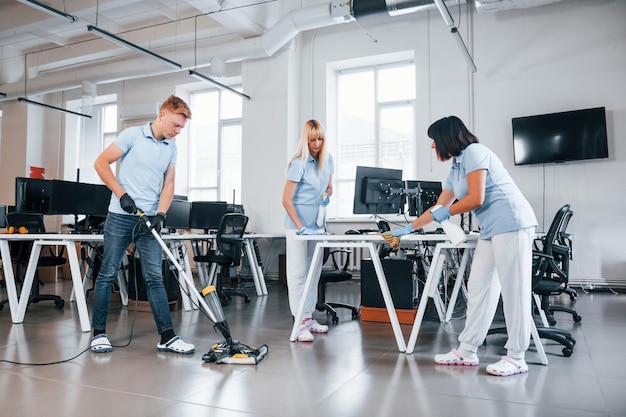
Our Proven System for Textile Care
Six years of experience have refined our approach to cleaning carpets, upholstery, and area rugs. We combine established methods with careful assessment of each unique situation.
Back to HomeThe Principles That Guide Our Work
Our methodology rests on principles developed through working with thousands of different textiles. These foundational beliefs shape every aspect of how we approach your carpets, furniture, and rugs.
Assessment Before Action
Every textile is different in fiber content, construction, age, and condition. We look at what we're working with before choosing our methods. This assessment informs everything from product selection to technique application, ensuring appropriate care for each unique piece.
Transparent Communication
We discuss what we see, what we recommend, and what we expect to achieve. If stains are unlikely to come out completely, we say so upfront. If drying will take longer than usual, we explain why. Honest conversation prevents disappointment and builds trust throughout the process.
Evidence-Based Methods
Our techniques follow industry standards established through research and testing. We don't experiment with unproven approaches on your valuable textiles. Instead, we apply methods that have demonstrated effectiveness while being safe for the materials involved.
Respect for Your Investment
Carpets, furniture, and rugs represent significant financial and often sentimental value. We handle each piece with the care it deserves, protecting your flooring, moving furniture carefully, and treating textiles as the important possessions they are. Your trust in allowing us into your home is something we honor.
Why We Developed This Approach
Starting in 2018, we recognized that homeowners needed cleaning services that combined professional effectiveness with realistic expectations. Too many people had experienced either disappointing results from inadequate cleaning or felt pressured by aggressive marketing. Our methodology emerged from wanting to provide genuine value—work that truly improves textiles while treating clients with respect and honesty. The positive response from our clients confirms that this approach meets a real need.
The Plivara Method
Our framework adapts to different situations while maintaining consistent quality. Each phase builds on the previous one, creating comprehensive care for your textiles.
Initial Assessment
We examine fiber type, construction, current condition, and any specific concerns you have. This evaluation determines which methods and products we'll use.
- • Material identification
- • Stain evaluation
- • Wear pattern analysis
- • Concern discussion
Pre-Treatment
High-traffic areas and spots receive targeted attention before main cleaning. This step addresses particularly soiled sections and prepares fibers for extraction.
- • Spot treatment application
- • Traffic area focus
- • Dwell time allowance
- • Agitation when appropriate
Deep Cleaning
Hot water extraction or specialized methods remove embedded soil from deep within fibers. We work systematically to ensure thorough coverage.
- • Appropriate solution selection
- • Controlled water application
- • Proper extraction technique
- • Multiple passes if needed
Post-Care & Guidance
Final inspection, grooming of fibers, and discussion of drying expectations. We provide maintenance recommendations for prolonging results.
- • Quality verification
- • Fiber grooming
- • Drying time communication
- • Care instructions
Adaptation to Individual Needs
While this framework provides structure, we adjust our approach based on what we find. Delicate antique rugs require different handling than synthetic office carpets. Pet households have different needs than homes without animals. Our methodology provides the foundation, but experience and judgment guide the specifics of each job.
This flexibility means better outcomes because we're responding to actual conditions rather than following a rigid script. It also means we can explain why we're doing what we're doing—the decisions aren't arbitrary but based on observable characteristics and proven principles.
Professional Standards and Practices
Our work follows established industry protocols that have been refined through decades of research and practical application. These standards ensure both effectiveness and safety.
IICRC Certification
The Institute of Inspection, Cleaning and Restoration Certification sets industry standards for textile care. Our technicians maintain current certification, demonstrating knowledge of proper methods, fiber science, and safe cleaning practices. This isn't just a credential—it represents ongoing education in our field.
pH-Balanced Solutions
We use cleaning products formulated to be safe for both textiles and the people who live with them. pH balance matters because extreme acidity or alkalinity can damage fibers or leave residues. Our solutions clean effectively while maintaining compatibility with the materials we're treating.
Insurance and Bonding
Full liability coverage and bonding protect you in the unlikely event something goes wrong. This protection demonstrates our commitment to professional accountability. You can feel secure knowing that our work is backed by proper insurance coverage.
Quality Assurance in Practice
Equipment Maintenance
Our extraction equipment undergoes regular maintenance to ensure proper function. Clean equipment prevents cross-contamination between jobs and delivers consistent results. Water temperature, pressure, and suction all affect outcomes—we monitor and maintain these variables.
Safety Protocols
We follow safety standards for chemical handling, electrical equipment use, and work site preparation. This protects both our technicians and your household. Furniture is moved with care to avoid damage to your possessions or our backs.
Ongoing Education
The textile care industry evolves with new fiber types, cleaning technologies, and understanding of best practices. We participate in continuing education to stay current with developments that might benefit our clients.
Documentation
We keep records of work performed, materials used, and any special circumstances encountered. This documentation helps us serve repeat clients better and provides a reference if questions arise later.
Limitations of Common Alternatives
Understanding why other approaches often fall short helps explain the value of professional care. These aren't criticisms of people trying to maintain their homes—just realistic observations about what different methods can achieve.
Rental Equipment Challenges
Rental machines available at grocery stores provide convenience and cost savings, but they have significant limitations. Their extraction power is substantially weaker than professional equipment, leaving more water in carpets and potentially causing extended drying times or moisture issues. The machines themselves often aren't properly maintained between uses, and most renters haven't been trained in proper technique.
These factors don't mean rental machines are worthless for maintenance between professional cleanings, but they can't replace the depth of cleaning that proper equipment and experience provide.
One-Size-Fits-All Services
Some cleaning companies offer very low prices by working extremely quickly and using the same method on everything. While this approach gets through more jobs per day, it doesn't account for different textile needs. Wool carpets, synthetic carpets, silk rugs, and microfiber upholstery all require different care—treating them identically produces inconsistent results.
Our assessment-based approach takes more time but delivers better outcomes because we're matching methods to materials.
Surface-Only Methods
Some newer cleaning systems emphasize low moisture or dry cleaning approaches. These can work well for maintenance, but they don't penetrate deeply into carpet backing or upholstery padding where soil accumulates over time. Surface appearance may improve while underlying problems remain.
Deep extraction addresses these hidden issues, which is why we consider it essential for thorough cleaning rather than just appearance enhancement.
What Makes Our Approach Different
Our methodology distinguishes itself not through gimmicks or revolutionary claims, but through thoughtful application of proven principles and genuine care for results.
Time for Thoroughness
We don't rush through jobs to maximize daily volume. Each project receives the time it requires for proper assessment, careful work, and quality results. This means we complete fewer jobs per day than some competitors, but the work we do is done right. Clients appreciate the difference between hurried service and thoughtful attention.
Education Over Sales
We'd rather have informed clients who understand what they're getting than confused customers who feel sold. Our communication focuses on explaining processes, setting realistic expectations, and helping you make decisions that serve your needs. This approach builds long-term relationships rather than one-time transactions.
Modern Equipment, Classic Principles
We invest in quality equipment that delivers consistent results—truck-mounted systems with powerful extraction, portable units for situations requiring them, specialized tools for delicate work. But the equipment serves proven principles rather than replacing judgment and experience. Technology enhances our work without becoming a marketing gimmick.
Continuous Improvement
Every job teaches us something. We pay attention to what works and what doesn't, refining our approach based on outcomes. This doesn't mean constant change—our core methodology is stable—but we remain open to better ways of doing things when evidence supports them.
How We Track and Measure Success
Good results should be observable and verifiable, not just claimed. We use several approaches to understand whether our work is achieving its intended purpose.
Visual Documentation
For many jobs, we take before and after photographs. This isn't for marketing purposes—it's to create an objective record of changes achieved. These images help us communicate with clients about what was accomplished and provide a baseline for future work. They also help us improve by showing what techniques produce the most noticeable results.
Client Feedback Collection
After each job, we invite clients to share their experience through a brief survey. We ask about satisfaction with results, professionalism of service, and whether expectations were met. This feedback is genuinely valuable—it tells us what we're doing well and where we might improve. The statistics we share on our website come from these real responses.
Repeat Business Patterns
The most meaningful measure of success is whether clients return. Our high rate of repeat business suggests that people find value in our work. When someone schedules regular maintenance or recommends us to friends and family, it indicates that results matched or exceeded expectations.
Realistic Expectation Setting
Success also means avoiding disappointment through honest communication. If we tell someone a stain might not come out completely and it doesn't, that's better than promising complete removal and failing to deliver. Measuring success requires considering whether expectations were appropriate, not just whether results were positive.
A Methodology Built on Experience and Accountability
Professional textile care requires more than equipment and chemicals. It demands understanding of fiber science, recognition of different material needs, and judgment developed through experience. Our methodology integrates these elements into a systematic approach that delivers consistent results while adapting to individual circumstances.
What distinguishes our work is the combination of professional standards with genuine client focus. We follow IICRC protocols because they represent proven best practices, not because certification alone guarantees quality. We communicate honestly because it builds trust and prevents disappointment. We take time for thoroughness because rushed work produces inferior outcomes.
The Plivara Method emerged from six years of learning what works in real homes with real textiles. It continues to evolve as we encounter new situations and gain deeper understanding. But its foundation remains stable: assess carefully, communicate clearly, apply appropriate methods, and verify results. These principles guide every aspect of our service.
Choosing professional care means investing in the longevity and comfort of your living spaces. Our methodology aims to make that investment worthwhile through work that actually improves textiles rather than just temporarily changing their appearance. The difference matters both immediately and over years of continued use.
Experience Our Approach Firsthand
We'd welcome the opportunity to discuss how our methodology might serve your textile care needs. Let's talk about what you have and what you're hoping to achieve.
Schedule Your Consultation